



Sri Lanka is exploring potential energy cooperation with Azerbaijan as it seeks to diversify its fuel supply sources amid rising international oil prices and concerns over disruptions to global energy markets.
Brent crude oil prices touched US$110 per barrel on October 16, reaching their highest level since May, as escalating tensions in the Middle East and concerns over supply disruptions heightened market uncertainty.
The discussions with Azerbaijan could provide Sri Lanka with an opportunity to explore alternative energy partnerships. However, no fuel supply agreement between the two countries has been confirmed.
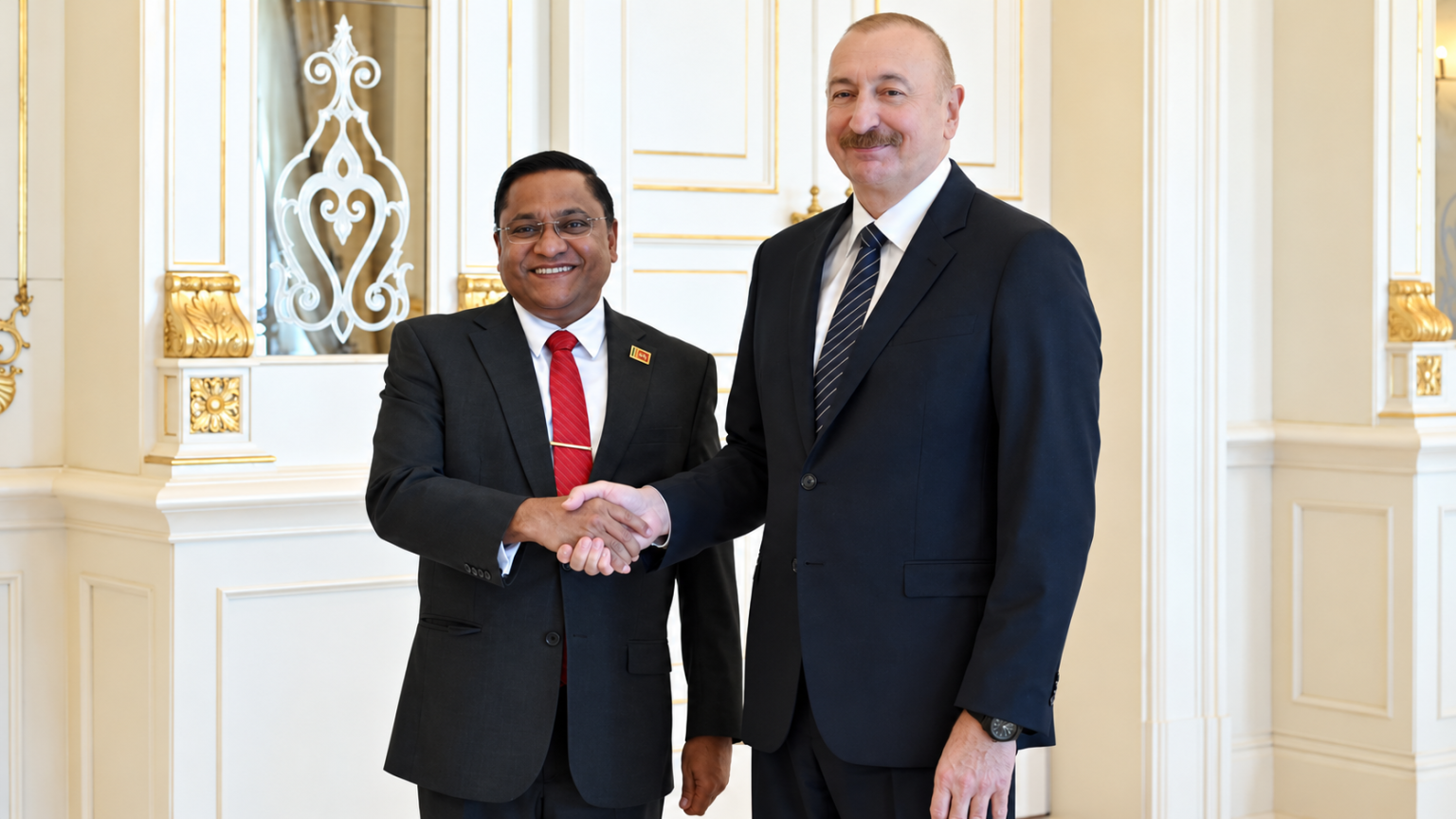
Foreign Affairs, Foreign Employment and Tourism Minister Vijitha Herath held discussions with Azerbaijani President Ilham Aliyev during his official visit to Baku in October. The talks covered energy cooperation and broader opportunities to strengthen bilateral relations, including trade, investment and tourism.
On October 15, Herath also met Rovshan Najaf, president of the State Oil Company of the Republic of Azerbaijan (SOCAR), on the sidelines of the seventh Summit of the Conference on Interaction and Confidence Building Measures in Asia (CICA).
More Read

According to reports on the meeting, the discussions focused on possible cooperation between SOCAR and Sri Lankan companies in the energy sector. Najaf briefed the minister on Azerbaijan’s international energy projects, the company’s operations and its long-term strategic objectives.
Azerbaijan is an established oil and natural gas producer in the Caspian region. According to the country’s Ministry of Energy, Azerbaijan produced 19.9 million tonnes of oil, including condensate, and 37.9 billion cubic metres of natural gas during the first nine months of 2026.
The country’s average daily oil production, including condensate, stood at approximately 547,000 barrels during the period. Crude oil production accounted for around 446,000 barrels per day.
More Read

Azerbaijan also exported 15.5 million tonnes of oil, including condensate, between January and September 2026. Natural gas exports totalled 18.4 billion cubic metres, with deliveries to Europe, Türkiye, Georgia and Syria.
The potential for closer energy ties comes amid heightened uncertainty in global oil markets. Renewed security concerns around the strategically important Strait of Hormuz have raised fears of further supply disruptions, putting additional pressure on international crude prices.
Sri Lanka’s engagement with Azerbaijan forms part of broader efforts to explore economic partnerships and strengthen bilateral relations. The CICA summit, held in Baku on October 14 and 15, provided an opportunity for diplomatic discussions alongside the main conference.
Herath also held discussions with Azerbaijani Foreign Minister Jeyhun Bayramov on bilateral relations and opportunities to strengthen political dialogue, regular consultations and reciprocal visits.
More Read

While the latest discussions have opened the door to exploring closer energy cooperation, the practical outcome for Sri Lanka will depend on any subsequent agreements, commercial arrangements and the feasibility of importing Azerbaijani energy products.